
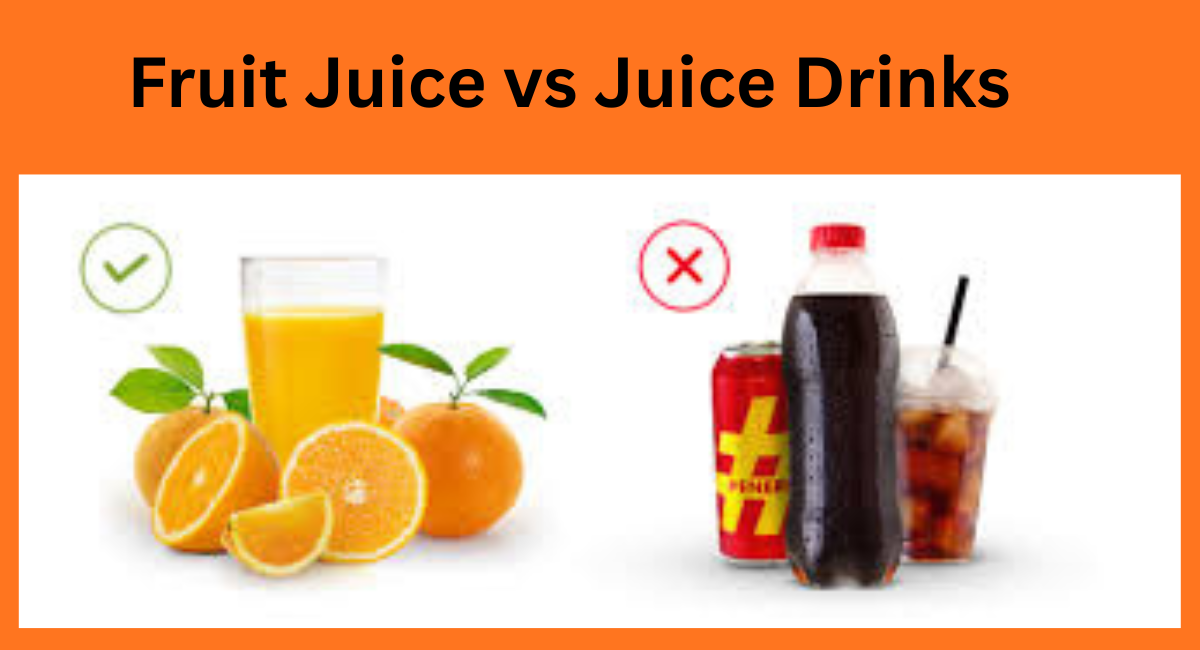
100% Fruit Juice vs Juice Drinks: What Consumers Should Know
When shoppers stand in front of the beverage shelf, the difference between “100% fruit juice” and “juice drink” may not always be clear. Both products can look colorful, refreshing, and fruit-based, but they are not the same.
If you’re interested in learning more about popular beverages and drink options, you may also enjoy our guide to shake shack drinks menu, where we explore ingredients, nutrition facts, and beverage choices in greater detail.
What Is 100% Fruit Juice?
100% fruit juice is made entirely from fruit juice. It may come directly from pressed fruit, or it may be made from concentrate with water added back to restore the original juice strength. Common examples include orange juice, apple juice, grape juice, and mixed fruit juice.
Because it comes fully from fruit, 100% juice naturally contains vitamins, minerals, plant compounds, and fruit sugars. For example, orange juice is often valued for vitamin C, while grape juice contains natural antioxidants.
However, “natural” does not always mean “unlimited.” Fruit juice can still contain a high amount of sugar because several fruits may be needed to make one glass of juice. Unlike whole fruit, juice usually has little or no fiber, so it may not keep people full for long.
What Are Juice Drinks?
Juice drinks contain some fruit juice, but they are not made entirely from juice. They may include added water, sugar, sweeteners, flavors, colors, acids, or preservatives. The percentage of real juice can differ greatly from one brand or product to another.
Some juice drinks may contain 10%, 20%, or 50% real juice, while others may have very little fruit content. This is why reading the label is important. Words like “fruit drink,” “juice beverage,” “juice cocktail,” or “fruit-flavored drink” usually mean the product is not 100% juice.
Juice drinks are often lighter in flavor, cheaper to produce, and sometimes lower in natural fruit content. They may appeal to consumers who prefer a sweeter or milder taste, but they can also contain added sugars that increase calorie intake without adding much nutritional value.
Key Differences Between 100% Juice and Juice Drinks
Ingredients and Fruit Content
The biggest difference is fruit content. 100% fruit juice is made entirely from juice, even if it is reconstituted from concentrate. Juice drinks contain juice plus other ingredients.
For consumers, the front label may not tell the full story. A product with bright fruit images may still be mostly water and sugar. Consumers should rely more on the ingredient list and nutrition facts label for accurate product details.
Sugar and Calories
Both 100% juice and juice drinks can contain sugar. The difference is that sugar in 100% juice comes naturally from fruit, while juice drinks may include added sugar or syrup.
Natural sugar still needs to be limited in daily intake. Drinking large amounts of juice every day can add extra calories. For children, especially, smaller serving sizes are usually better.
Taste and Texture
100% juice usually has a stronger, more natural fruit flavor. It may taste slightly tart, rich, or pulpy depending on the fruit. Juice drinks are often designed to taste sweeter, smoother, and more consistent from bottle to bottle.
Some consumers prefer juice drinks because they are lighter and less acidic. Others prefer 100% juice because it tastes closer to real fruit.
Price and Shelf Life
100% fruit juice is often more expensive because it requires more fruit raw materials. Juice drinks may be more affordable because they contain added water and other ingredients.
Shelf life can also differ depending on processing, packaging, and storage conditions. Beverage manufacturers use equipment such as a monoblock filling machine to support hygienic rinsing, filling, and capping in one integrated system. For fruit-based beverages, a juice bottling machine helps maintain filling efficiency and product consistency during commercial production.
How Consumers Can Read Labels Smarter
Check the Juice Percentage
Look for clear statements such as “100% juice” or “contains 20% juice.” If the label does not clearly show the percentage, check the ingredient list.
Watch for Added Sugar
Terms like sugar, corn syrup, fructose syrup, glucose, or sucrose indicate added sweeteners. A product with added sugar may still taste fruity, but it is nutritionally different from pure juice.
Consider Serving Size
A small glass of 100% juice can be part of a balanced diet, but drinking large bottles regularly may add too much sugar. Daily hydration is best supported by drinking plain water..
Which One Should You Choose?
There is no single answer for everyone. 100% fruit juice is usually the better choice for consumers who want more natural fruit content and fewer added ingredients. Juice drinks may be suitable for occasional refreshment, especially when consumers prefer a lighter taste or lower price.
The best approach is to read labels carefully, compare sugar content, and choose based on personal health goals. Whether buying juice for breakfast, children’s lunchboxes, or daily refreshment, understanding the difference helps consumers make more informed choices.