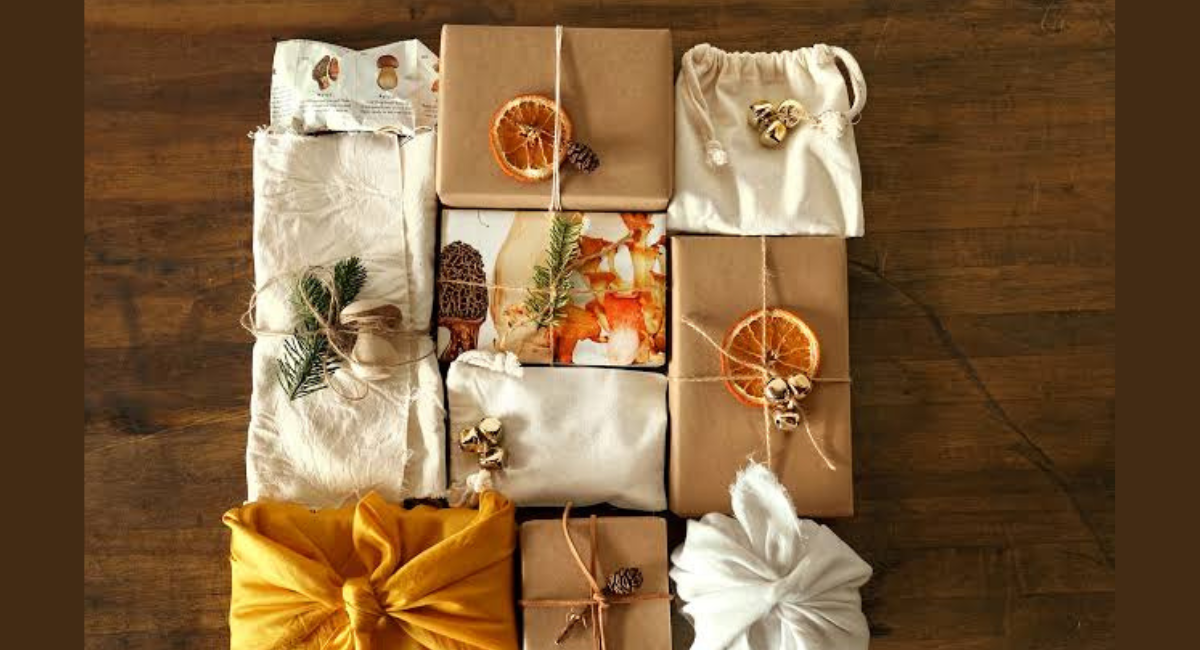
Creative Food Packaging Ideas for Christmas and New Year
Christmas and New Year are among the busiest seasons for food gifting. Chocolates, cookies, tea, coffee, wine accessories, nuts, and specialty snacks are often purchased not only for consumption but also for sharing with family, friends, employees, and business partners.
During this period, packaging becomes part of the celebration. A well-designed box can make a familiar food product feel more festive, valuable, and memorable. The following ideas can help food brands create packaging that attracts attention while remaining practical for transportation, storage, and gifting.
In addition to gourmet food gifts, many shoppers also choose Shake Shack Gift Card options as thoughtful holiday presents, giving friends and family the flexibility to enjoy a delicious meal during the festive season.
Use Traditional Colors in a Modern Way
Red, green, gold, silver, and white remain popular holiday colors, but they do not need to look old-fashioned. Brands can use softer shades, metallic details, or simple color combinations to create a more modern appearance.
For example, deep green paper paired with gold foil can create an elegant Christmas look. White packaging with silver details may be more suitable for New Year products, while burgundy and champagne tones work well for premium chocolates, cookies, and tea.
Limiting the design to two or three main colors also helps prevent the packaging from appearing too busy.
Create a Reusable Gift Box
Holiday packaging is often kept long after the food has been eaten. Strong boxes can be reused for storing cards, jewelry, decorations, tea bags, photographs, or small household items.
Reusable packaging is especially suitable for premium food collections. Brands working with a luxury rigid box manufacturer can develop durable structures with wrapped paper, fitted inserts, ribbon handles, or decorative closures.
A reusable box gives customers additional value and helps the brand remain visible after the holiday season ends.
Design Packaging Around the Unboxing Experience
Opening a holiday food gift should feel like part of the celebration. Instead of placing every product in one large compartment, brands can organize items in separate sections or layers.
A box may open to reveal chocolates on the top level and tea or coffee underneath. Small messages can be printed inside the lid, while tissue paper, ribbons, or paper sleeves can make each product feel individually presented.
However, decorative materials should not make the package difficult to open. The best unboxing designs combine visual impact with clear product organization.
Add Festive Compartments for Mixed Food Sets
Christmas and New Year gift sets often contain products of different shapes and sizes. A single package may include cookies, chocolate bars, jars, tea tins, nuts, and small bottles.
Custom compartments help prevent these items from moving or colliding during delivery. Paperboard inserts, molded pulp trays, and folded card dividers can hold products securely while maintaining an attractive presentation.
Compartments can also guide the consumer through the gift set. Products may be arranged by flavor, eating order, product category, or time of day.
Use Window Designs Selectively
A transparent window allows customers to see the food before buying it. This can be effective for colorful cookies, decorated chocolates, macarons, dried fruits, and other visually appealing products.
The window does not need to cover the entire front of the package. Small tree-shaped, star-shaped, or circular openings can create seasonal interest while preserving enough space for branding.
Food protection must remain the priority. Products should still have suitable inner wrapping or sealed containers to maintain freshness and prevent contamination.
Develop Countdown or Calendar Packaging
Countdown packaging transforms a food gift into a multi-day experience. Individual compartments can contain chocolates, tea bags, candies, coffee samples, or small snacks.
Although this format is commonly associated with Christmas, it can also be adapted for the final week of the year. Customers can open one section each day until New Year’s Eve.
This design encourages repeated interaction with the brand and can make smaller food portions feel more valuable as part of a complete collection.
Combine Christmas and New Year Elements
Some products remain on shelves throughout December and early January. Packaging that focuses only on Christmas may quickly feel outdated after December 25.
Brands can create a broader seasonal design using stars, snowflakes, fireworks, winter landscapes, metallic patterns, or celebration-inspired graphics. These elements work for both Christmas gatherings and New Year events.
A removable Christmas sleeve is another useful option. After the sleeve is removed, the main box can retain a more general winter or New Year appearance.
Try Magnetic Closures for Premium Gifts
Magnetic closures create a smooth and satisfying opening experience. They are suitable for premium chocolate collections, gourmet snacks, tea assortments, and corporate food gifts.
Businesses sourcing magnetic flap gift box wholesale should consider the weight and arrangement of the food products before selecting the box structure. Heavy jars or bottles may require thicker board, reinforced corners, and strong internal supports.
The magnetic flap can also provide space for branding, seasonal artwork, or a personalized message without adding complicated external decorations.
Include Personalized Gift Details
Personalization can make seasonal food packaging feel more thoughtful. Brands may add printed names, greeting cards, message tags, company logos, or removable labels.
For corporate orders, a standard gift box can be adapted for different clients by changing only the sleeve or card. This reduces the need to manufacture a completely new box for every recipient.
QR codes can also link customers to a holiday message, serving suggestions, product stories, or a video showing how the food was made.
Choose Sustainable Decorative Materials
Holiday packaging can be attractive without relying heavily on plastic. Recyclable paper, molded pulp inserts, paper ribbons, and minimal printing can reduce unnecessary waste.
Brands should also avoid oversized boxes with large empty spaces. A correctly sized package requires fewer materials, provides better product protection, and reduces shipping volume.
Clear disposal instructions are useful when the package contains several materials. Customers are more likely to recycle the box correctly when components can be separated easily.
Final Thoughts
Creative Christmas and New Year food packaging should balance celebration, protection, convenience, and brand identity. Festive colors, reusable structures, secure compartments, personalized details, and thoughtful opening experiences can all increase the perceived value of a food gift.
The most successful packaging does more than look seasonal. It protects the food, supports efficient delivery, and gives customers a box they are excited to open, share, photograph, and possibly reuse.