How a Chiller Room Protects Food Quality and Reduces Waste
Fresh food begins to lose quality soon after harvesting, processing, or preparation. Temperature control slows this process, helping food businesses maintain freshness, reduce spoilage, and improve product safety throughout storage and distribution.
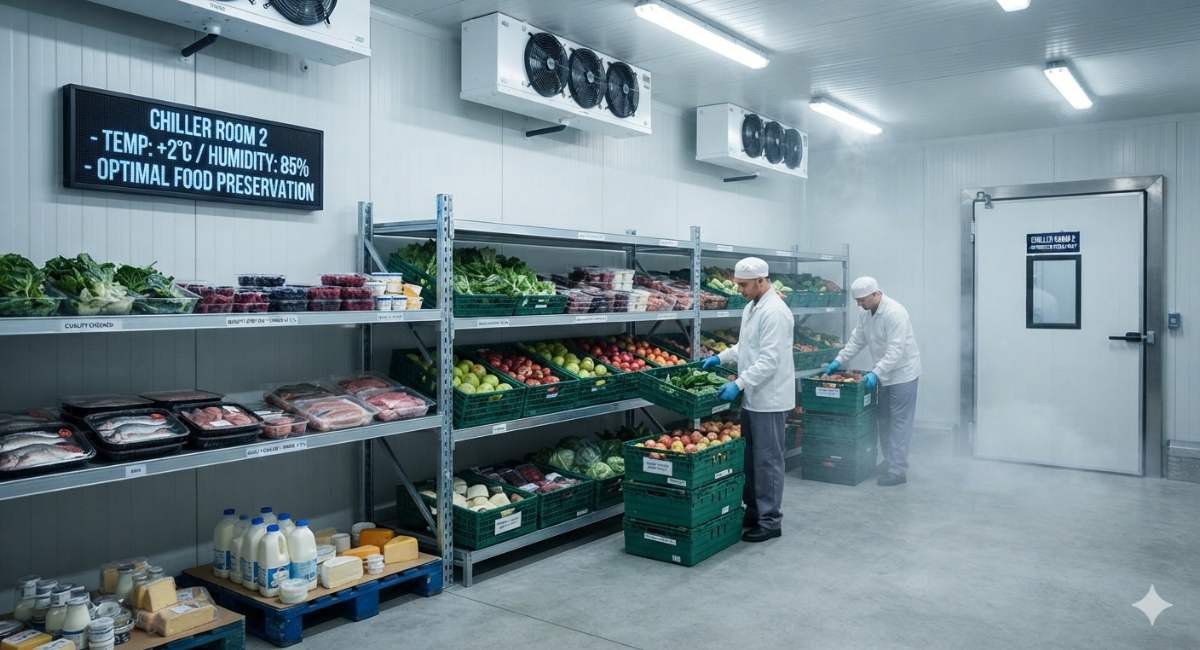
Refrigerated storage is widely used in restaurants, supermarkets, food factories, hotels, bakeries, farms, and catering facilities. However, effective cooling involves more than simply lowering the temperature. Air circulation, humidity, insulation, hygiene, loading methods, and equipment maintenance all influence storage performance.
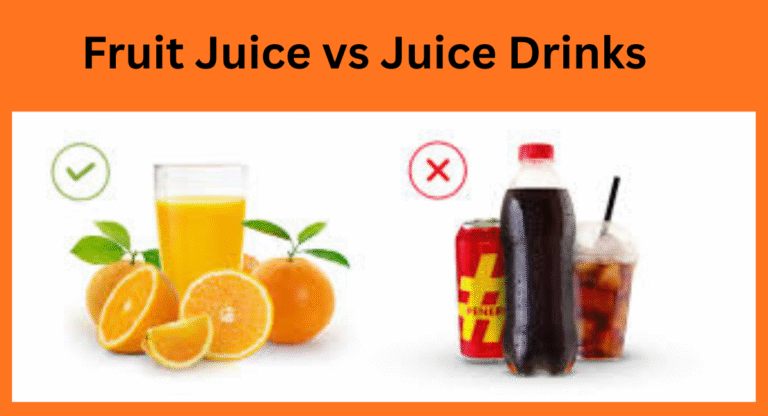
Many beverages also require proper storage to maintain their flavor and nutritional value. Learn more about the differences between 100% Fruit Juice vs. Juice Drink before choosing the right option.
Why Temperature Control Matters
Low temperatures slow microbial growth, chemical reactions, and natural food deterioration. This allows products to remain fresh for longer periods without relying heavily on preservatives.
Different foods require different storage conditions. Fresh vegetables may need cool temperatures with relatively high humidity, while dairy products, meat, seafood, and prepared foods require tighter temperature control to reduce safety risks.
Stable conditions are especially important. Frequent temperature fluctuations can cause condensation, moisture loss, texture changes, and shorter shelf life. A properly designed refrigerated space should therefore maintain uniform cooling even when products are frequently loaded or removed.
Suitable Foods for Refrigerated Storage
A chilled storage area can support a wide range of food products, including:
- Fresh fruit and vegetables
- Milk, cheese, yogurt, and other dairy products
- Fresh meat, poultry, and seafood
- Cakes, desserts, and bakery ingredients
- Ready-to-eat meals and prepared food
- Beverages and temperature-sensitive ingredients
Products should be grouped according to their storage requirements. Raw meat, fresh produce, dairy products, and cooked foods should not be stored together without proper separation because they may require different temperatures and create cross-contamination risks.
Key Design Factors
Storage Temperature
The required temperature range should be selected according to the food type and expected storage period. A space used for vegetables may operate differently from one designed for meat or dairy products.
Place sensors away from cooling outlets to measure the actual temperature around stored food more accurately.
Insulation Performance
Insulated wall, ceiling, and floor panels help prevent heat from entering the refrigerated area. Good insulation reduces compressor workload, improves temperature stability, and lowers energy consumption.
Choose panel thickness based on storage temperature, local climate, room dimensions, and daily operating conditions. Doors also need reliable seals to prevent warm air leakage.
Air Circulation
Cold air must circulate evenly around stored products. Poor circulation can create warm areas, causing uneven cooling and inconsistent product quality.
Food cartons and pallets should not block evaporators or air passages. Sufficient space should be left between products, walls, floors, and ceilings to support airflow and cleaning.
Humidity Control
Humidity affects food appearance, texture, and weight. Low humidity can dry out vegetables, meat, and bakery products, while excessive humidity may lead to condensation, mold, or damaged packaging.
The cooling system should therefore be selected according to both temperature and moisture requirements.
Safe Loading and Storage Practices
Food should be cooled before entering refrigerated storage whenever possible. Placing large quantities of hot food inside increases the cooling load and may raise the temperature of products already being stored.
A first-in, first-out system helps reduce expired stock and unnecessary waste. Every product should be clearly labeled with its receiving, preparation, or expiry date.
Raw and cooked products should be separated. Food should also be stored in sealed, food-grade containers to protect it from moisture loss, odor transfer, and contamination.
Energy Efficiency Considerations
Chiller room can account for a significant part of a food business’s electricity use. Energy consumption can be reduced through appropriate system sizing, efficient insulation, rapid-closing doors, LED lighting, and regular equipment maintenance.
An oversized cooling unit may cycle frequently, while an undersized unit may operate continuously without reaching the required temperature. System capacity should match the room volume, product load, door-opening frequency, ambient temperature, and daily operating conditions.
Strip curtains or air curtains can help reduce cold-air loss in busy facilities. Staff training is also important because leaving doors open unnecessarily can increase operating costs and cause temperature instability.
Cleaning and Maintenance
Floors, shelves, drainage systems, walls, door seals, and evaporator surfaces should be cleaned regularly. Food spills and standing water must be removed quickly to prevent odors, bacteria, mold, and slip hazards.
Routine maintenance should include checking:
- Temperature sensors and monitoring systems
- Door gaskets and hinges
- Evaporator and condenser cleanliness
- Refrigerant condition
- Drainage and defrost systems
- Unusual noise, ice buildup, or temperature changes
Temperature records can help identify performance problems before they result in major product losses.
Choosing the Right Refrigerated Storage Solution
Food businesses should evaluate available space, product categories, required temperature, storage volume, loading frequency, hygiene standards, and future expansion plans before purchasing a system.
Working with an experienced cold room manufacturer can help ensure that the refrigeration unit, insulation, doors, shelving, airflow, and control system are matched to the actual application.
A well-planned refrigerated storage area does more than keep products cold. It protects food quality, supports safety procedures, reduces waste, and improves the efficiency of the entire food supply operation.